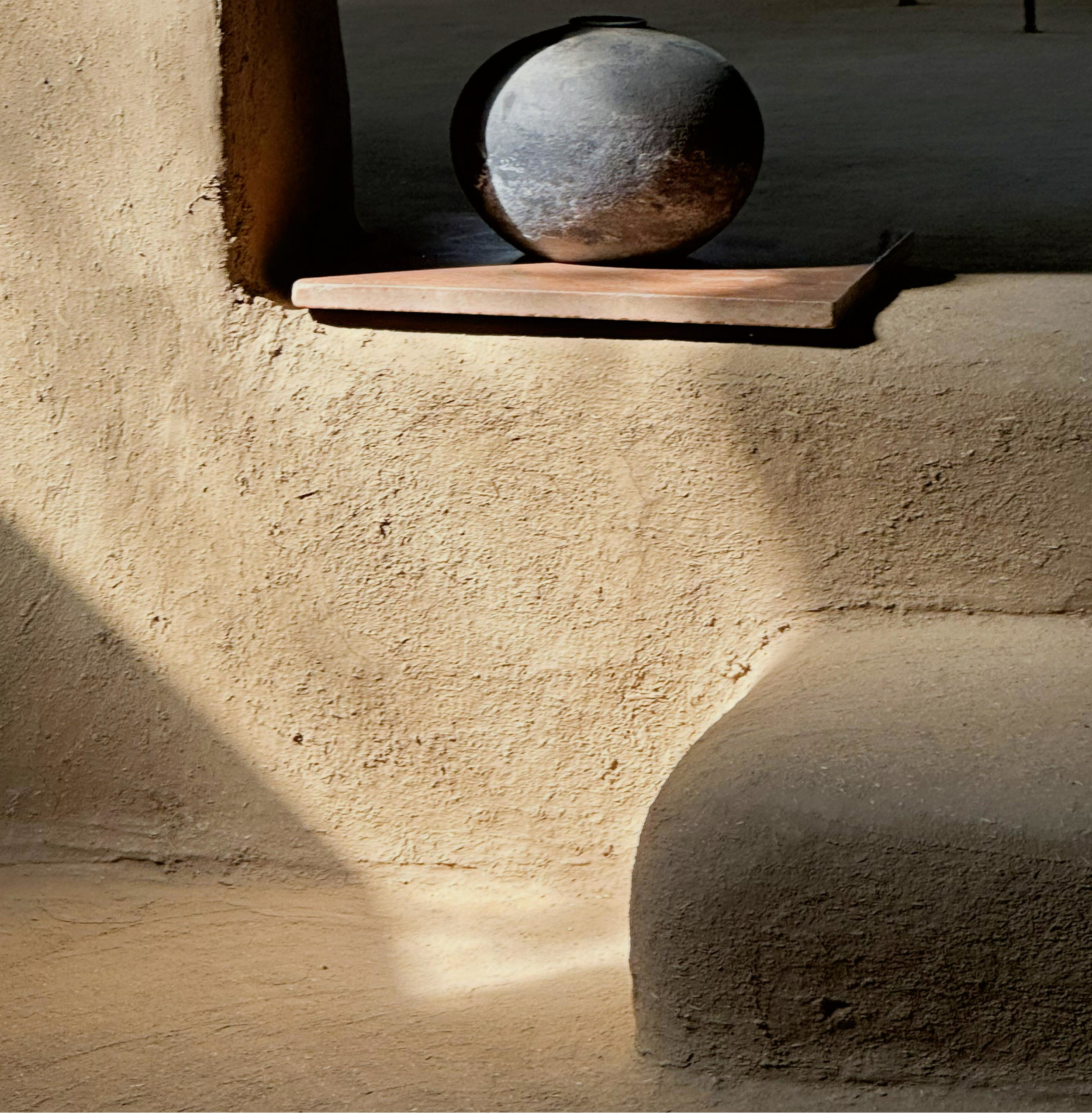
The Natural and the Architectonic is the overarching framework of Satt’s photographic art practice, he draws on his architectural background, cultural heritage and experience of places across diverse natural and built environments. He explores the relationships between structure, space, surface and material, revealing visual continuities between the natural and the architectonic.
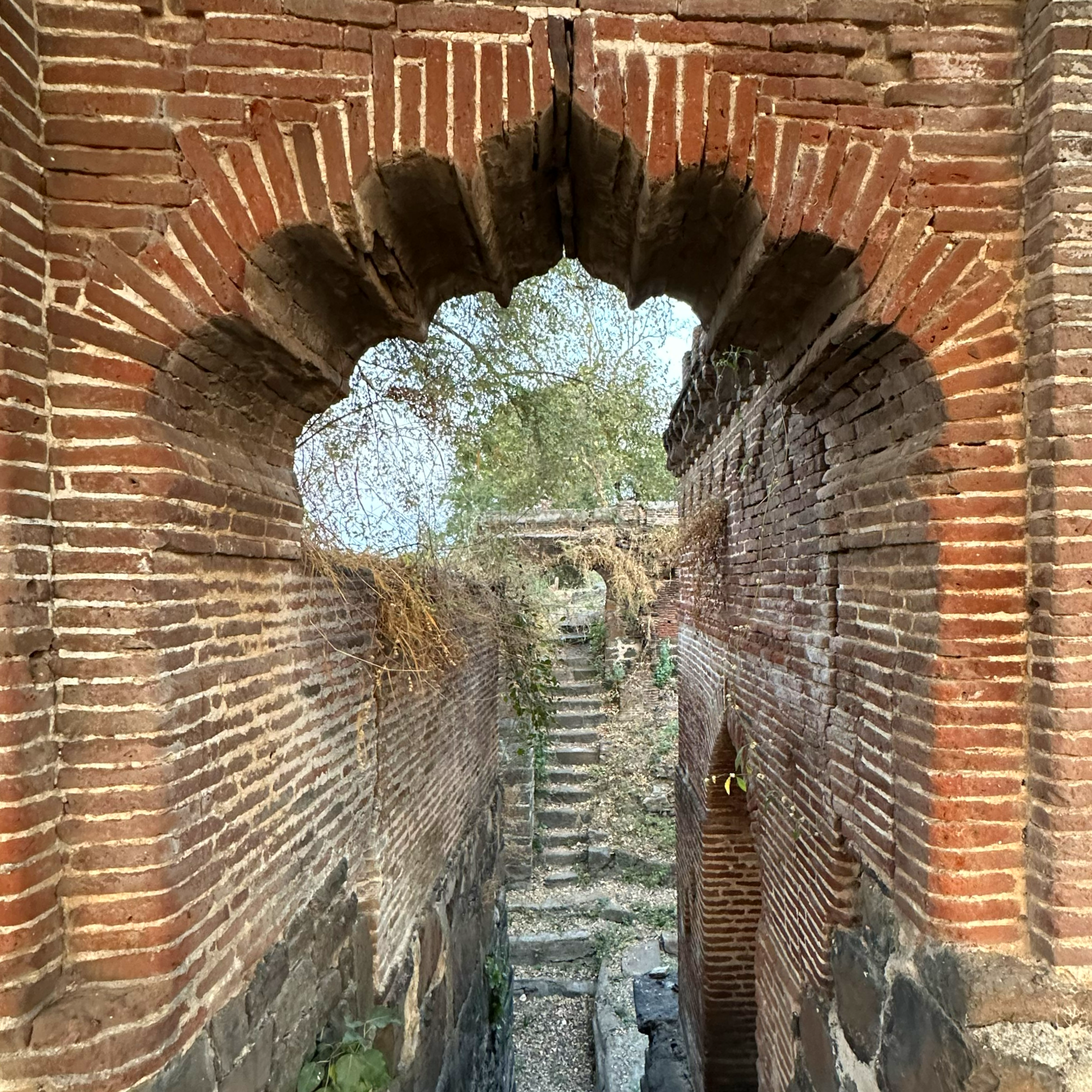
In his ongoing body of work, images often begin with overlooked details: the bark of a tree, a rock surface, a structural fragment, an interior threshold or a moment of reflected light. Through close framing and shifts in scale, familiar subjects become ambiguous, moving between representation and abstraction.
Satt’s practice is structured around interconnected, complimentary conditions: formation and erosion, rupture and renewal, solid and void and shadow and reflection. His lens isolates moments of spatial tension: the meeting of surfaces, the alignment of structural elements, a passage from darkness into light, or the unexpected proximity of natural and manufactured materials.
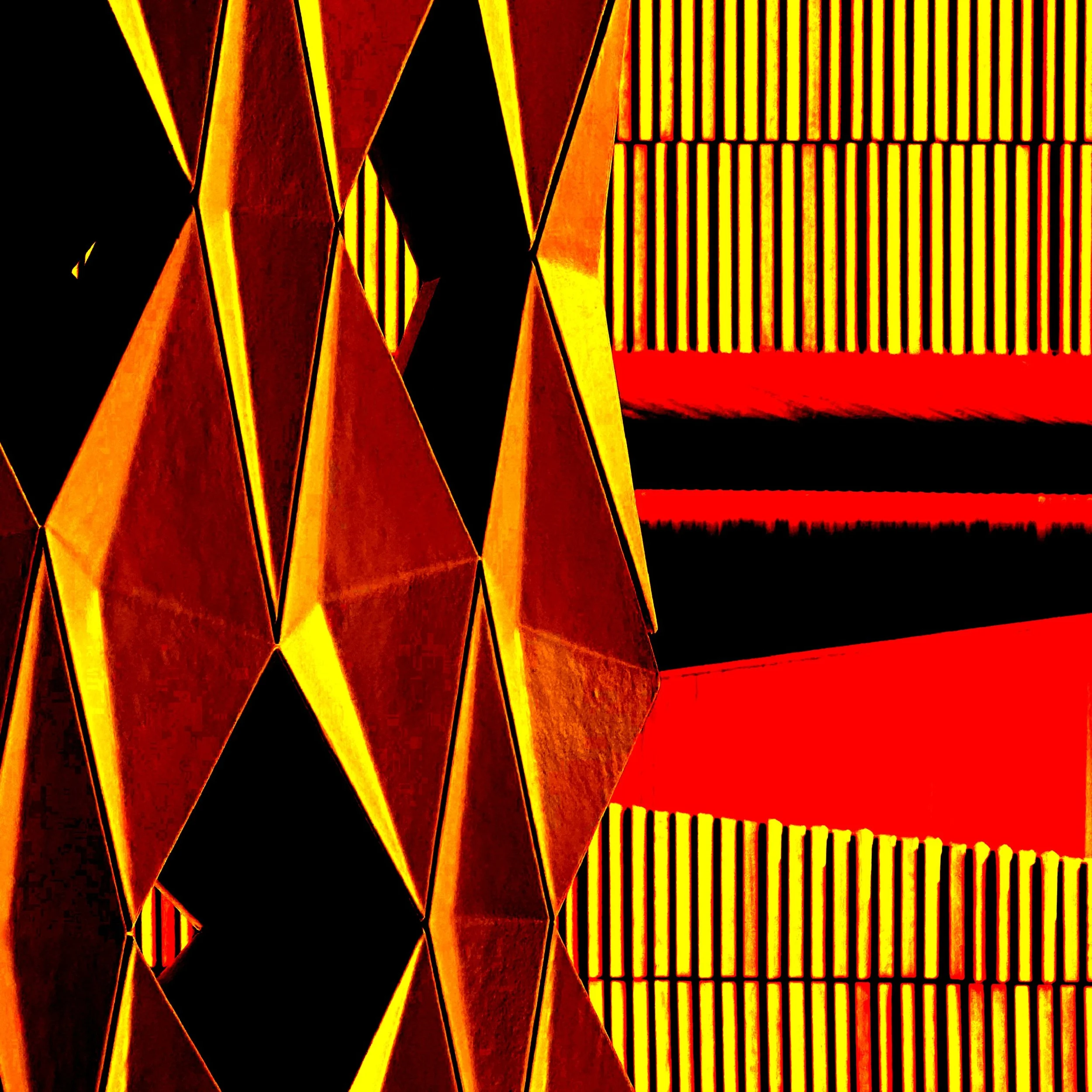
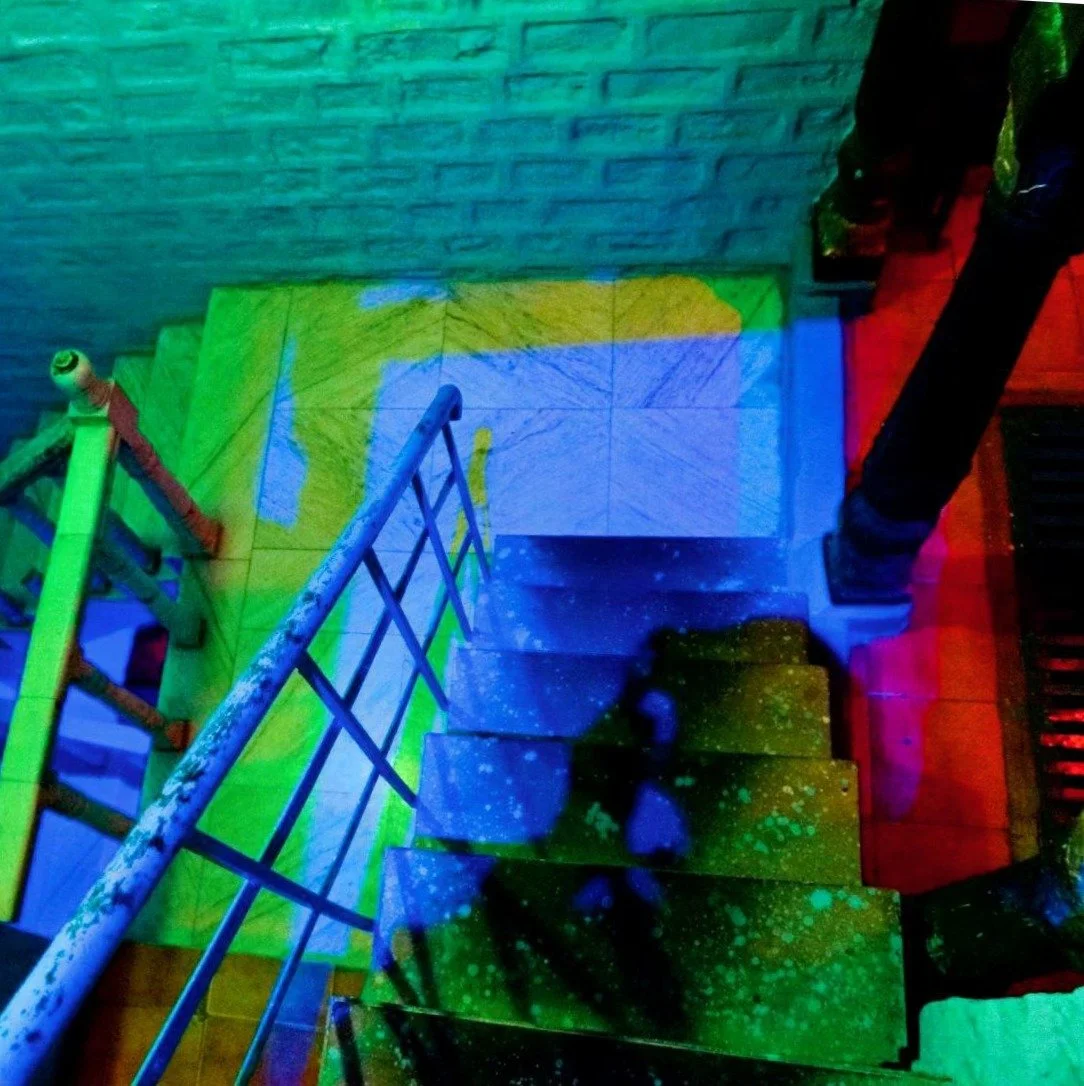
To articulate this concept, Satt uses thermographic-inspired digital colour, he transforms the original photograph into an intensified field of light, shadow and material energy. The resulting works are deliberately intense and idiosyncratic. Scale becomes uncertain, familiar materials appear strange, and overlooked details acquire a new spatial and emotional force.
Black, red, orange and yellow evoke heat, fire and transformation, connecting geological formation, organic growth, industrial fabrication and spatial construction. Within the photographs, shadow moves toward illumination, and colour appears to shift from darkness into heat and from heat into glow. It also carries associations of warmth, gathering, memory and reflection.
The resulting images do not simply document places or objects. They invite the viewer to encounter them differently—as structures of memory, atmosphere and elemental force.
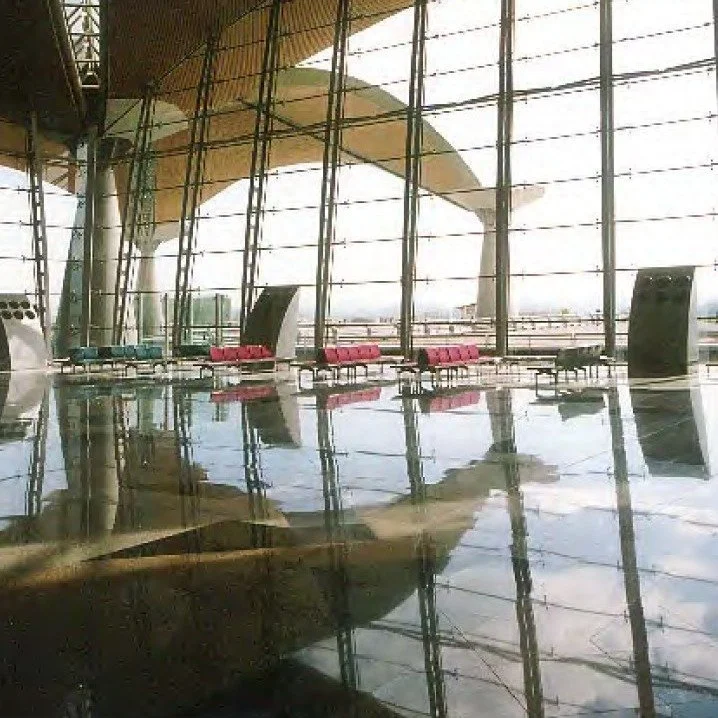
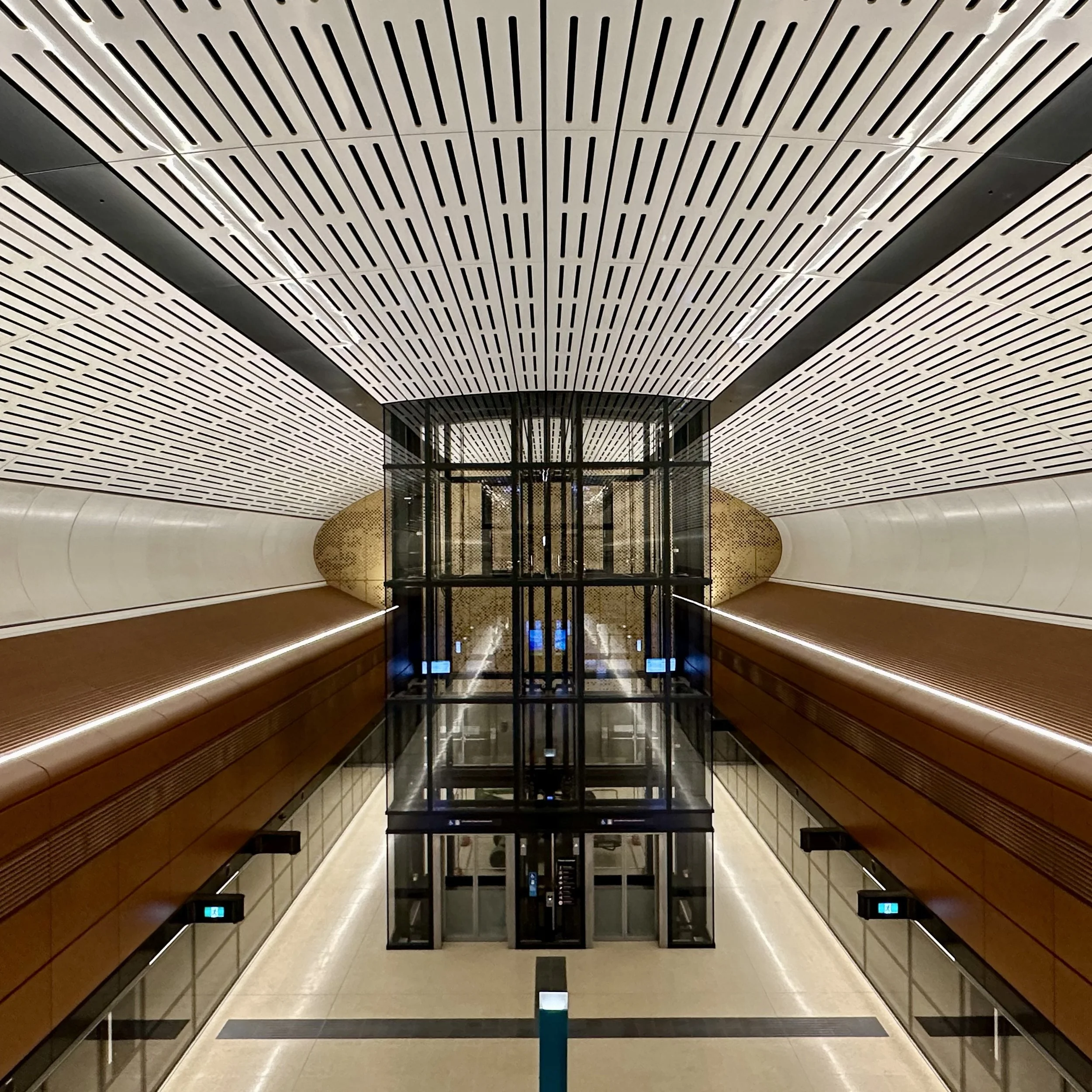
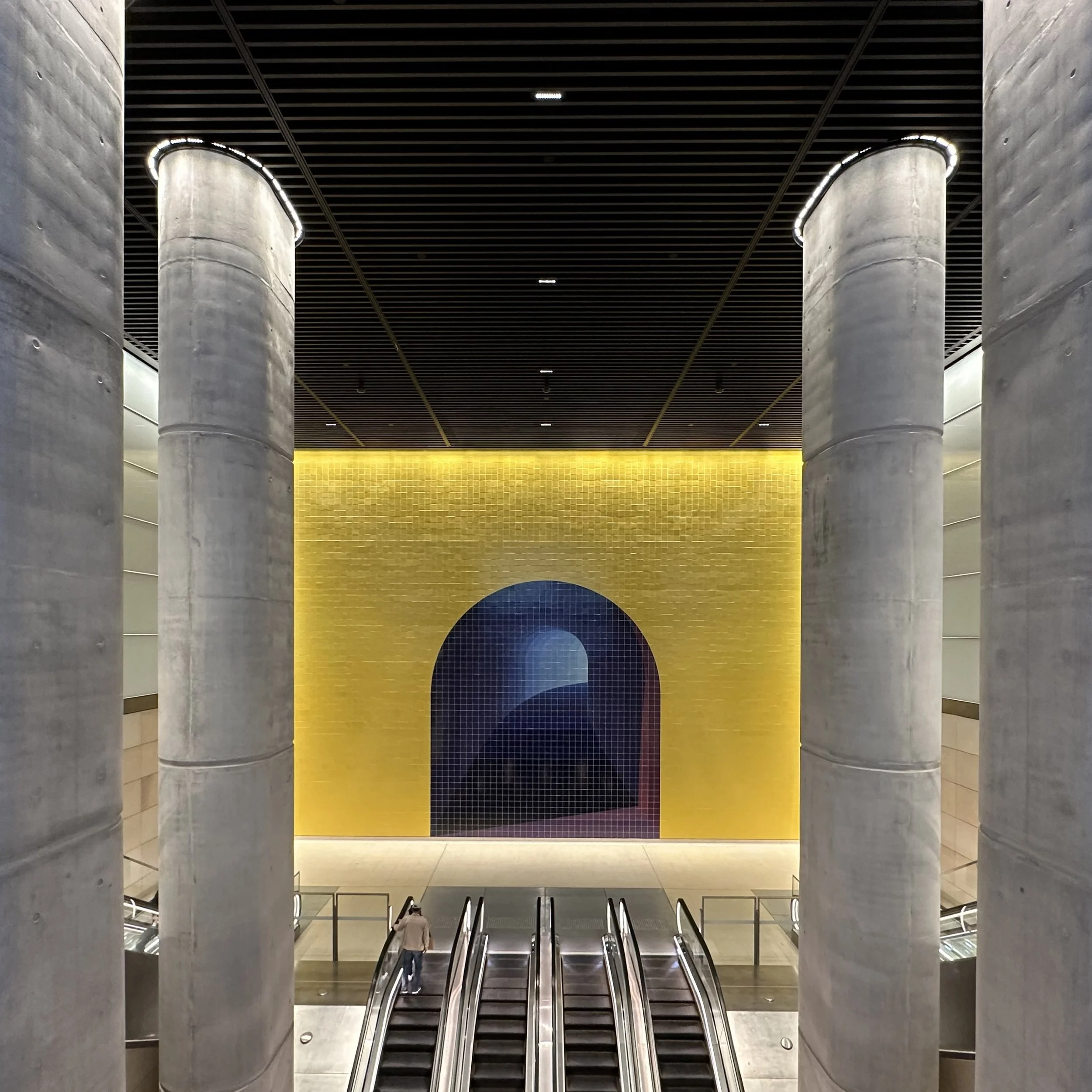
In addition, Satt also documents projects he has contributed to as a practicing architect and heritage buildings as sites of memory and reflection.